How to Study Japanese with Flashcards
Flashcards are one of the most effective study tools ever invented — but only if you use them properly. Most people who say "flashcards didn't work for me" were really just reading the fronts and backs over and over, which is barely studying at all. Used well, a small stack of cards can carry you through the entire core of Japanese vocabulary.
The one principle that makes flashcards work: active recall
Active recall means forcing your brain to retrieve an answer instead of just recognising it. When you look at the front of a card and think "I don't know… wait… たべる means to eat," that struggle is the entire point. The effort of pulling the answer out of your memory is what strengthens the connection. Recognising the answer when you see it feels easier, but it builds almost nothing.
So the rule is simple: always try to answer before you flip. Even a wrong guess is more useful than flipping immediately. The tiny discomfort of not knowing is the sound of learning happening.
Spaced repetition, done by hand
The second principle is spacing: you remember something best if you review it just as you are about to forget it. Apps calculate this for you. But you can do a rough, effective version by hand with physical cards using a simple pile system.
The simple pile method
- Go through your deck. Cards you answer instantly go in a "known" pile. Cards you fumble go in a "review" pile.
- Go through the review pile again immediately. Anything you now get moves to known.
- Review the known pile less often — every few days. Review the hard pile every day until it shrinks.
- New cards join the daily review until they earn their way into the "known" stack.
Keep decks small and focused
A deck of 300 cards is demoralising to pick up. A deck of 20–30 is a two-minute task you will actually do. Work in small sets and only add the next batch once the current one mostly lives in your "known" pile. Small, finished decks feel like progress; giant decks feel like a chore that never ends.
What to put on a Japanese card
- Front: the word in kanji only. This forces you to recall both the reading and the meaning — two birds, one card.
- Back: the reading in kana, the romaji (while you still need it), and the meaning in your own language.
Seeing only the kanji is important. If you put the reading on the front too, you never train yourself to read the kanji — you just read the kana and skip the hard part. Hide it, struggle a little, then confirm.
Common mistakes that make flashcards feel useless
- Flipping too fast. No retrieval, no learning. Always guess first.
- Decks too big. Overwhelm leads to skipping leads to quitting.
- Reviewing only new cards. Yesterday's words fade fastest — sweep them first.
- Studying silently. Say readings out loud; it wires sound to shape.
- All-or-nothing. Missing a day is fine. Missing a month because you missed a day is not.
Why physical cards suit some learners better
None of this requires paper — a good app does all of it. But physical cards have real, underrated advantages. No screen and no notifications pulling you elsewhere. You control the order completely, sorting weak cards to the front by feel. You can review five cards in a dead moment without unlocking a phone and getting sucked into something else. If apps have not stuck for you, paper is genuinely worth a try.
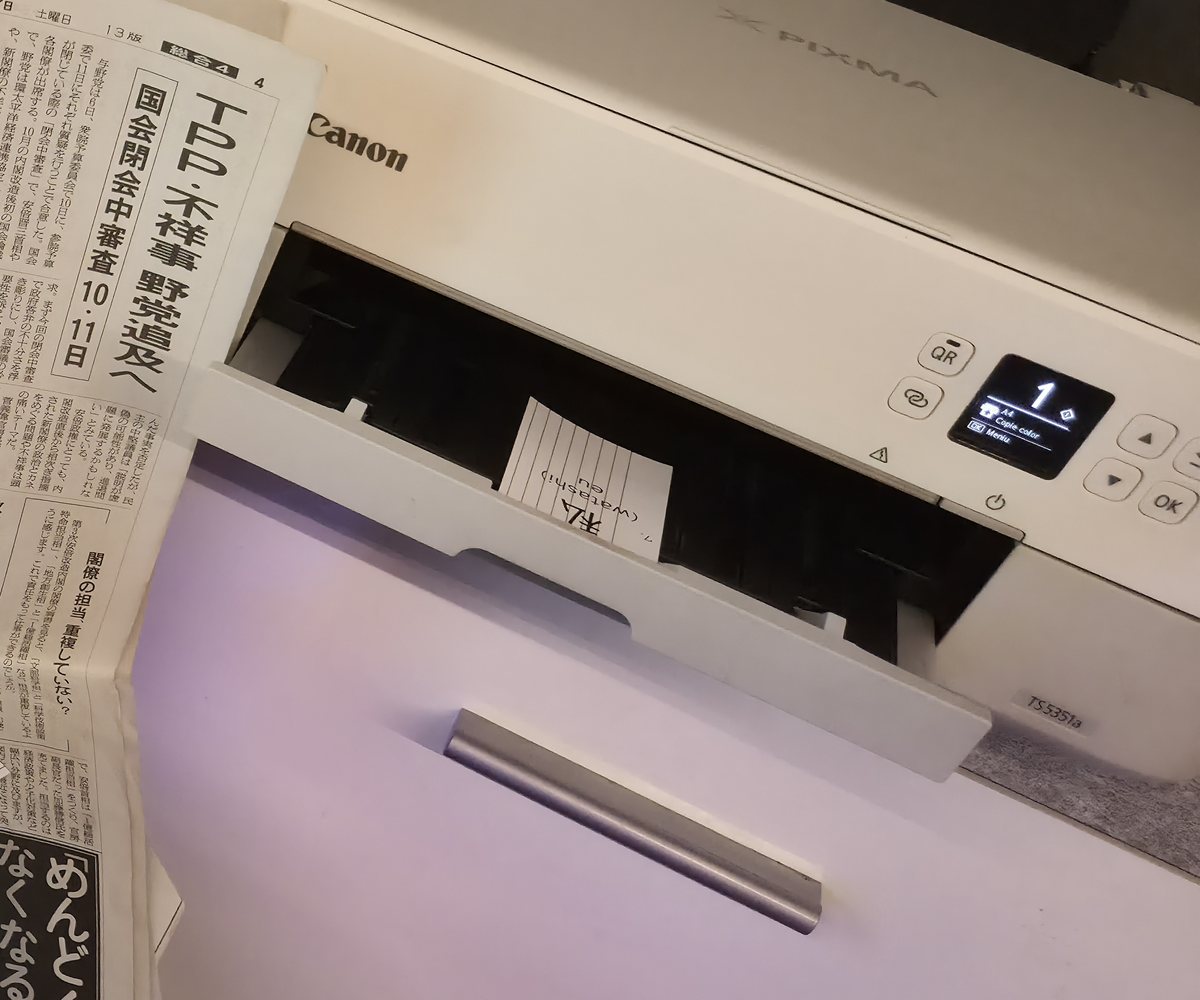
Ready to make a deck? This site's free tool prints physical Japanese flashcards for you — the 1000 most common words, kanji on the front, reading and translation on the back, in any batch size. No signup, completely free.
Open the free flashcard tool →